
Introduction: Why End-of-Life Care Matters
End-of-life care is one of the most meaningful forms of caregiving. When a loved one enters the final phase of life due to illness, age, or chronic health decline, families often feel overwhelmed. Questions arise: How can I provide comfort? How do I keep them peaceful? What support systems exist?
End-of-life care focuses on dignity, peace, and emotional support — not prolonging suffering. It involves palliative care, symptom relief, emotional connection, and ensuring the patient feels safe, respected, and valued.
Professionally, organizations like the National Hospice and Palliative Care Organization provide extensive guidance and resources for families navigating this stage.
This comprehensive guide explains how to support terminally ill patients holistically and compassionately.
1. Understanding End-of-Life Care
End-of-life care refers to the final stage of care designed to improve comfort and reduce distress. It includes:
• Palliative Care
Focuses on symptom relief, quality of life, and emotional wellbeing.
Below is a reputable reference:
Cleveland Clinic – Palliative Care
• Hospice Care
Provides comprehensive comfort care for those in the final months of life.
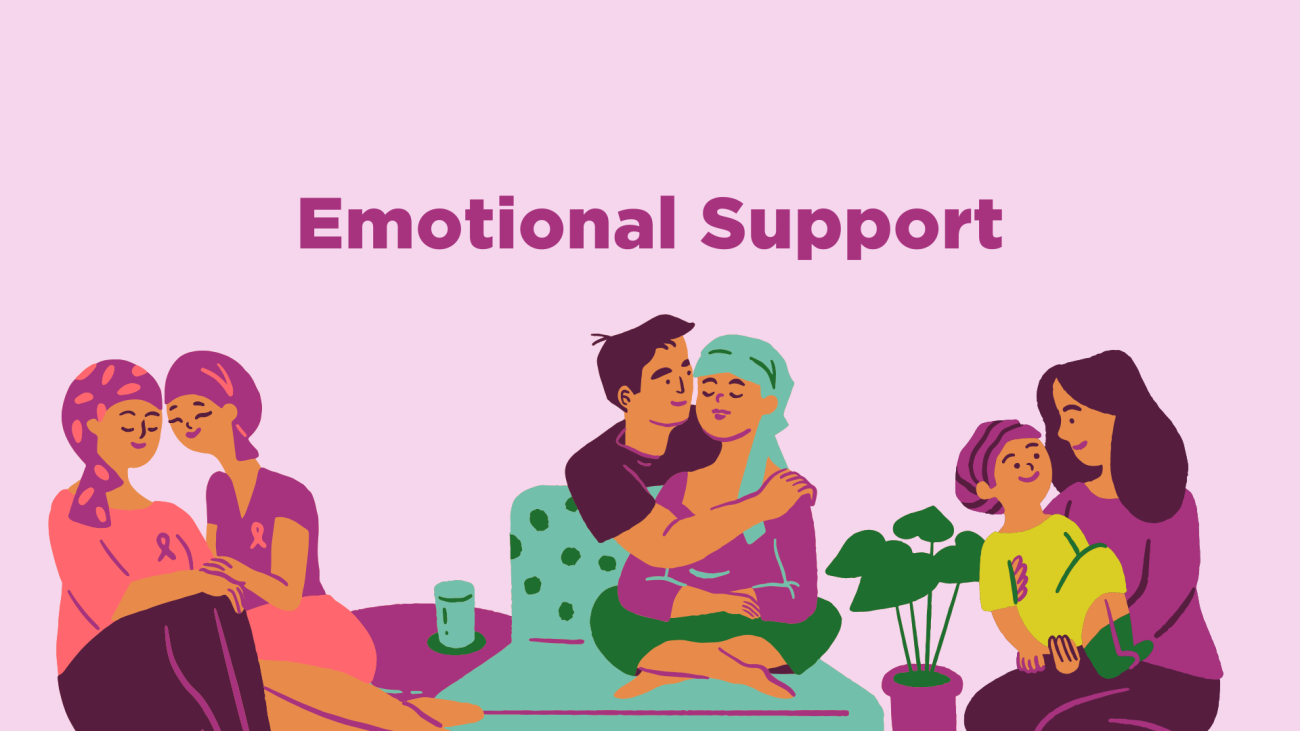
• Emotional Support
Talking, listening, and providing reassurance.
• Spiritual Support
If the patient desires spiritual guidance or comfort.
• Family Support
Assisting relatives emotionally, spiritually, and mentally.
2. Creating a Comfort Care Plan
Comfort is the foundation of end-of-life care. Here are essential steps:
2.1 Physical Comfort
- Use soft bedding
- Adjust pillows to relieve pressure
- Keep the room calm and quiet
- Maintain a comfortable temperature
2.2 Symptom Management
Common symptoms:
- Pain
- Nausea
- Shortness of breath
- Fatigue
Families can collaborate with hospice teams to manage these symptoms safely.
2.3 Hydration & Mouth Care
Even if the patient can’t eat much, moistening lips or providing ice chips can bring relief.
3. Emotional and Psychological Support
Terminal patients may experience fear, sadness, confusion, or stress. Emotional support includes:
3.1 Listening Actively
Let the patient express:
- Thoughts
- Memories
- Wishes
3.2 Providing Reassurance
Gentle words bring comfort:
- “I’m here.”
- “You are not alone.”
- “You are safe.”
3.3 Honoring Their Wishes
Choices about environment, visitors, and spiritual rituals are deeply important.
4. Supporting Family Members
End-of-life care impacts the entire family.
4.1 Educating the Family
Understanding the process reduces fear.
4.2 Sharing Duties
Divide tasks to avoid caregiver burnout.
4.3 Seeking Support Groups
Recommended resource:
Hospice Foundation of America
4.4 Emotional Self-Care
Caregivers must rest, eat well, and take breaks.
5. Creating a Peaceful Environment
A calm environment reduces anxiety and enhances dignity.
5.1 Personal Items
Use items such as:
- Favorite blanket
- Photos
- Soft music
5.2 Light & Noise Control
Soft light and reduced noise create peace.
5.3 Aromatherapy (Optional)
Gentle scents like lavender can help relaxation.
6. Spiritual and Cultural Support
Different families have unique cultural and spiritual practices. Supporting these preferences brings comfort and provides meaning.
7. Maintaining Patient Dignity
Dignity is central to compassionate care.
7.1 Respecting Privacy
Knock before entering the room. Cover the patient gently during care.
7.2 Using Their Preferred Name
Small gestures carry big emotional value.
7.3 Involving Them in Decisions
Even small choices — lighting, blankets, music — help the patient feel valued.
8. Professional Support Services
Families do not need to navigate this alone.
Recommended palliative care resource:
Conclusion
End-of-life care is an act of love, compassion, and dignity. It focuses on making the final moments peaceful and meaningful.
FAQ
1. What is end-of-life care?
End-of-life care focuses on comfort, dignity, and emotional support during the final stage of life.
2. How can I comfort a terminally ill patient?
Provide soft bedding, maintain a calm environment, listen to their needs, and offer gentle reassurance.
3. What is the difference between hospice and palliative care?
Palliative care can occur at any disease stage. Hospice care is for patients in the final months of life.
4. How do caregivers avoid burnout?
Share responsibilities, rest regularly, seek support groups, and practice self-care.
5. What makes a good end-of-life environment?
Soft lighting, quiet surroundings, familiar items, and controlled temperature.